Source fda approved golf pin finder for Courses, Clubs, and Events
Compare 30 listings of fda approved golf pin finder devices from verified suppliers. Buyers can evaluate specifications like measuring range, magnification, and battery type to find the right tool for golf courses, clubs, and events; compare the available evidence and request quotations based on your requirements.
Key considerations
Products List
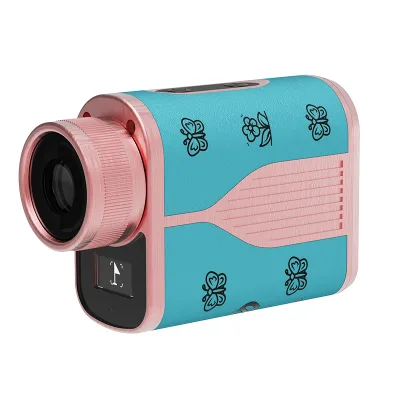
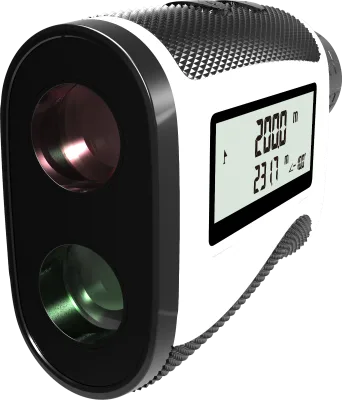
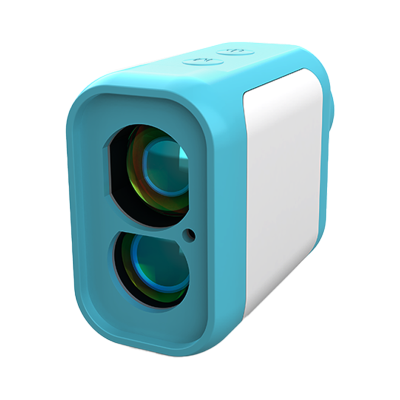
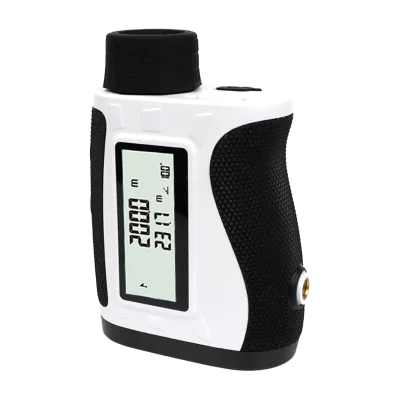
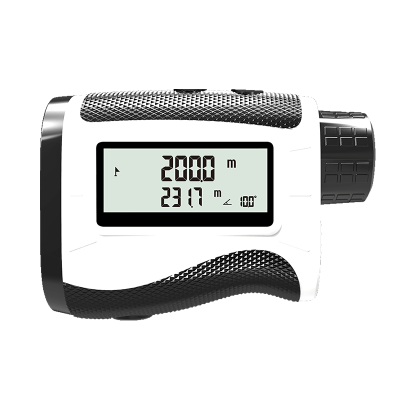
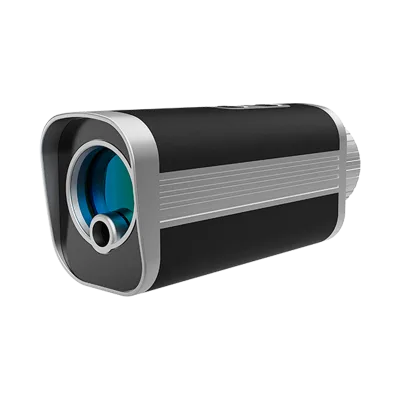


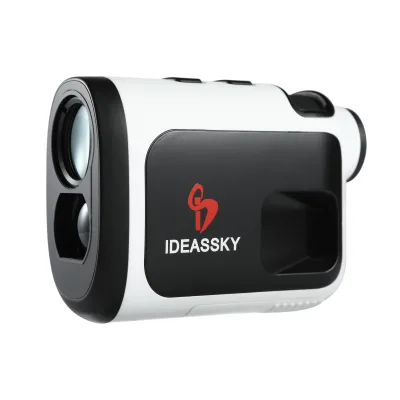
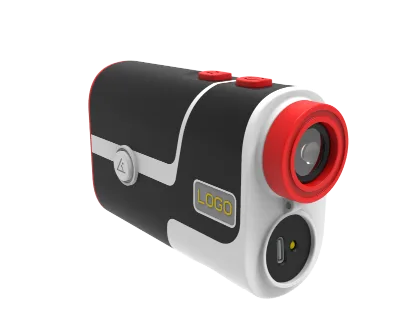
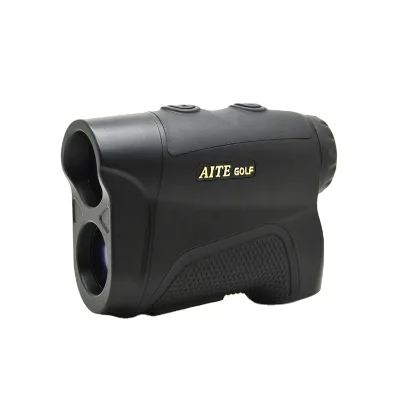
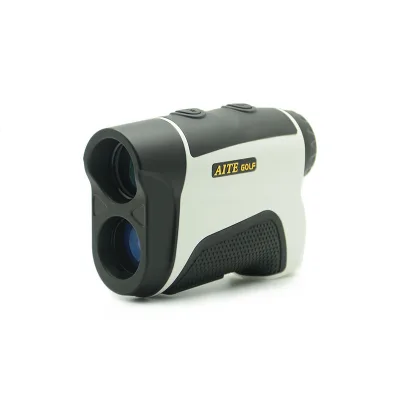
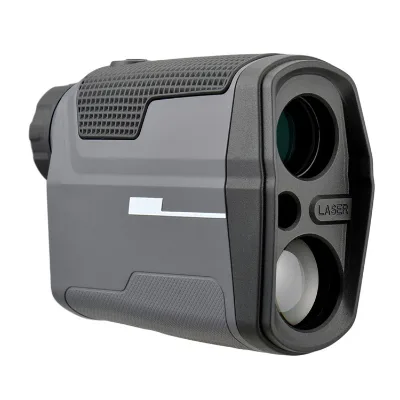


Comprehensive Sourcing Guide
FDA Approved Golf Pin Finder Sourcing Guide
Procuring laser rangefinders for golf courses requires careful navigation of regulatory landscapes, particularly when marketing claims involve health or safety standards often associated with the FDA. While the term "FDA approved" is frequently used in search queries, it is critical to understand that the U.S. Food and Drug Administration does not typically approve consumer laser rangefinders for golf use. These devices are generally classified as general electronic equipment rather than medical or food-contact devices. Buyers must therefore distinguish between marketing hype and actual regulatory compliance, focusing instead on electrical safety and laser classification standards that are relevant to consumer electronics.
The core of this sourcing guide addresses the technical and commercial realities of sourcing high-precision golf pin finders from global manufacturers, primarily those based in Guangdong, China. The market offers a wide variety of models, ranging from basic plastic units to advanced aluminum alloy devices with digital displays. Sourcing success depends on verifying the actual specifications of the laser wavelength, measurement accuracy, and battery type, rather than relying on ambiguous regulatory labels. This guide provides a framework for evaluating suppliers based on tangible product attributes, ensuring that procurement teams select devices that meet the functional demands of professional golfers and course managers.
Product Scope and Observed Listing Signals
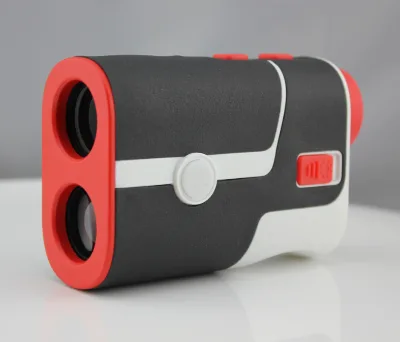
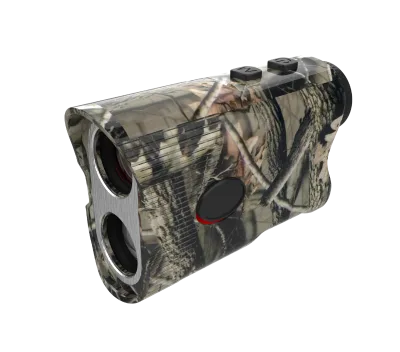
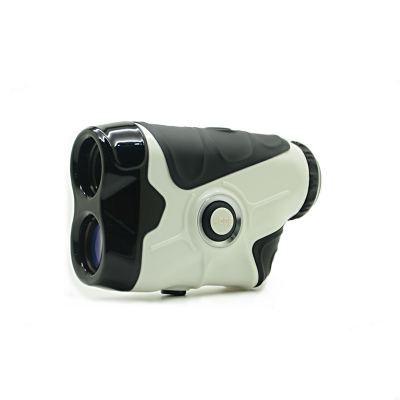
The current market for golf laser rangefinders presents a diverse array of products with varying material compositions and feature sets. Observed listings indicate a price range from approximately $4.90 to $279.00 USD, reflecting significant differences in build quality and technological sophistication. Common materials include plastic, ABS plastic, and aluminum alloy combined with plastic components, which influence both durability and weight. Buyers should note that while some devices are marketed with specific brand names like "bingm," many are available under OEM or ODM arrangements, allowing for custom branding and logo engraving through digital printing or laser techniques.
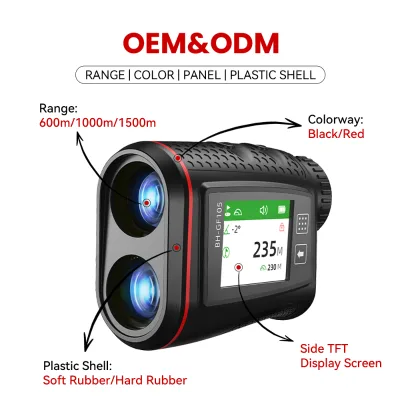
Listing signals reveal a strong emphasis on customization and technical versatility. Suppliers frequently offer OEM, ODM, and OBM support, catering to buyers who require specific branding or functional modifications. The observed product count of thirty items suggests a competitive market with multiple model numbers, such as GF-913, GF-619, and GF-313, each potentially targeting different segments. Key attributes like LCD displays, lithium battery power sources, and ranging scopes up to 1200 meters are common. Buyers must carefully cross-reference these observed signals with their specific operational needs, as not all listed products will satisfy every requirement, particularly regarding weight, size, and specific measurement ranges.
Technical Specifications to Verify
Verifying technical specifications is paramount to ensuring the rangefinder meets the precision demands of golf applications. Buyers should prioritize devices with a measurement accuracy of ±0.5m or better, often expressed as ±0.5m + D*0.2%. The measuring range is a critical factor, with observed models supporting distances from 5 meters up to 1200 meters or even 2000 meters in some configurations. It is essential to confirm the laser wavelength, typically 905nm for these devices, as this affects visibility and safety. Additionally, magnification levels around 7.0x to 7X are standard, providing sufficient clarity for identifying pins at a distance without excessive bulk.
Other technical parameters require strict verification to ensure operational reliability in outdoor environments. The ingress protection rating, observed as IP65 or IP54 in listings, indicates resistance to dust and water, which is vital for golf courses with varying weather conditions. Buyers should also check the operating temperature range, typically 0-40 degrees Celsius, and the field of view, often around 6 degrees. The display mode, whether transmissive LCD or digital, impacts readability in bright sunlight. Furthermore, the single gross weight and package dimensions, such as 23x11x4 cm or 10.8x7.2x4 cm, influence portability and shipping costs, making these physical attributes crucial for logistics planning.
Compliance and Safety Documentation
While the FDA does not regulate golf rangefinders, buyers must ensure compliance with international electrical safety and laser safety standards. Devices containing lithium batteries must adhere to UN38.3 testing standards for safe transportation, particularly by air. Laser products are classified based on their output power and wavelength, with 905nm lasers typically falling under Class 1 or Class 2, depending on the specific design and safety interlocks. Buyers should request documentation confirming the laser classification and safety features, such as automatic shut-off when the device is not in use, to protect users from potential eye strain or injury.
Electrical safety certifications, such as CE, FCC, or RoHS, are often required for market access in various regions. These certifications verify that the electronic components meet electromagnetic compatibility and hazardous substance restrictions. Buyers should verify that the supplier can provide valid test reports from accredited laboratories. It is also important to check for any regional-specific regulations regarding electronic waste disposal, especially given the lithium battery content. Ensuring that the supplier has a robust quality management system in place can further mitigate risks associated with non-compliant products, providing a layer of assurance for the end-user.
Cost Drivers and Commercial Terms
Several factors influence the final cost of golf laser rangefinders, including material choice, customization level, and order volume. Devices made from aluminum alloy are generally more expensive than those constructed from plastic due to higher material and manufacturing costs. Customization options, such as OEM branding, logo engraving, and specific packaging designs, add to the unit price. The observed MOQ range of 1 to 100 units suggests flexibility for small buyers, but larger orders may yield better per-unit pricing. Buyers should also consider the single gross weight, which affects shipping costs, with weights ranging from 0.300 kg to 0.500 kg per unit.
Commercial terms such as warranty and after-sales support are critical components of the total cost of ownership. Most suppliers offer a one-year warranty, which should be clearly defined in the contract. Buyers should negotiate terms that cover defects in materials and workmanship, as well as the availability of spare parts or replacement units. Payment terms, lead times, and return policies should be explicitly agreed upon to avoid disputes. Additionally, buyers should assess the supplier's ability to handle custom packaging and labeling requirements, as these can impact storage and distribution efficiency. Understanding these cost drivers helps in making informed budgeting decisions.
Supplier Qualification and Quality Control
Evaluating supplier qualifications is essential to ensure consistent product quality and reliable service. Buyers should verify the supplier's manufacturing capabilities, including their production capacity and quality control processes. Suppliers in Guangdong, China, often have extensive experience in producing electronic devices, but it is crucial to confirm their specific expertise in laser rangefinders. Requesting samples for thorough testing is a standard practice to evaluate performance, durability, and accuracy. Buyers should also check the supplier's business license and any relevant industry certifications to ensure legitimacy and operational stability.
Quality control measures should be integrated into the procurement process to minimize defects. Buyers can implement pre-shipment inspections to verify that products meet the agreed-upon specifications, including measurement accuracy, display functionality, and physical dimensions. Establishing clear acceptance criteria and rejection thresholds helps maintain quality standards. Additionally, buyers should assess the supplier's responsiveness to issues and their ability to provide technical support. Building a strong relationship with a qualified supplier can lead to better pricing, improved service, and more reliable supply chains, ultimately benefiting the buyer's business operations.
Long-Term Procurement Checks
Long-term procurement success requires ongoing monitoring of supplier performance and product reliability. Buyers should establish key performance indicators (KPIs) to track metrics such as on-time delivery, defect rates, and customer satisfaction. Regular audits of the supplier's quality management system can help identify potential issues before they impact production. It is also important to stay updated on changes in regulatory requirements and industry standards, ensuring that products remain compliant over time. Continuous feedback from end-users can provide valuable insights into product performance and areas for improvement.
Strategic planning for future procurement needs involves assessing market trends and technological advancements in laser rangefinder technology. Buyers should explore opportunities for product innovation, such as improved battery life, enhanced accuracy, or additional features like slope compensation. Maintaining a diversified supplier base can mitigate risks associated with supply chain disruptions. Regularly reviewing commercial terms and negotiating favorable conditions can help optimize costs. By adopting a proactive approach to supplier management and product development, buyers can ensure long-term value and competitiveness in the golf equipment market.
FAQs
What is the measuring range of the golf laser rangefinder?
The device features a measuring range of 5 to 1200 meters or up to 2000 meters depending on the specific model configuration. This extended range allows golfers to accurately determine distances to pins and hazards on the course. The product supports both meter and yard units for flexible usage across different regional standards and personal preferences.
How accurate is the distance measurement provided by this rangefinder?
The measurement accuracy is specified as ±0.5 meters plus a percentage of the distance. This precision ensures reliable readings for various golf scenarios. The device utilizes a 905nm laser wavelength to achieve these results. Users can expect consistent performance within the stated error margins during normal operating conditions on the golf course.
Can I customize the logo on the golf pin finder?
Yes, the product supports OEM, ODM, and OBM customization services. Buyers can apply their logo through digital printing or laser engraving methods. This flexibility allows brands to create unique products tailored to their market identity. The customization options are available for bulk orders to meet specific corporate or retail branding requirements.
What is the battery type used in this electronic rangefinder?
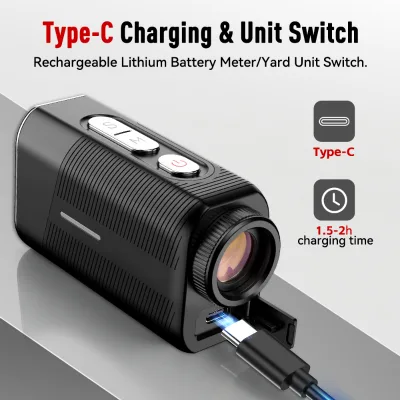
The rangefinder is powered by a lithium battery. This power source ensures efficient operation for the electronic components and digital display. The device is designed to maintain performance during extended use on the course. Users should refer to the specific model instructions for battery replacement and maintenance guidelines to ensure optimal functionality.
What is the magnification level of the golf laser rangefinder?
The device offers a magnification of 7.0x or 7X. This optical power provides clear and enlarged views of distant targets on the golf course. The magnification works in conjunction with the digital display to enhance readability. This specification helps users accurately identify pins and other course features from a distance.
Is the rangefinder waterproof for outdoor golf use?
The product features an ingress protection rating of IP65 or IP54 depending on the model. This rating indicates resistance to dust and water jets, making it suitable for outdoor golf conditions. The design protects internal components from moisture and debris. Users can rely on this durability for play in various weather conditions on the course.